
Five Signs It’s Time to Assess Your Property for Invasive Species
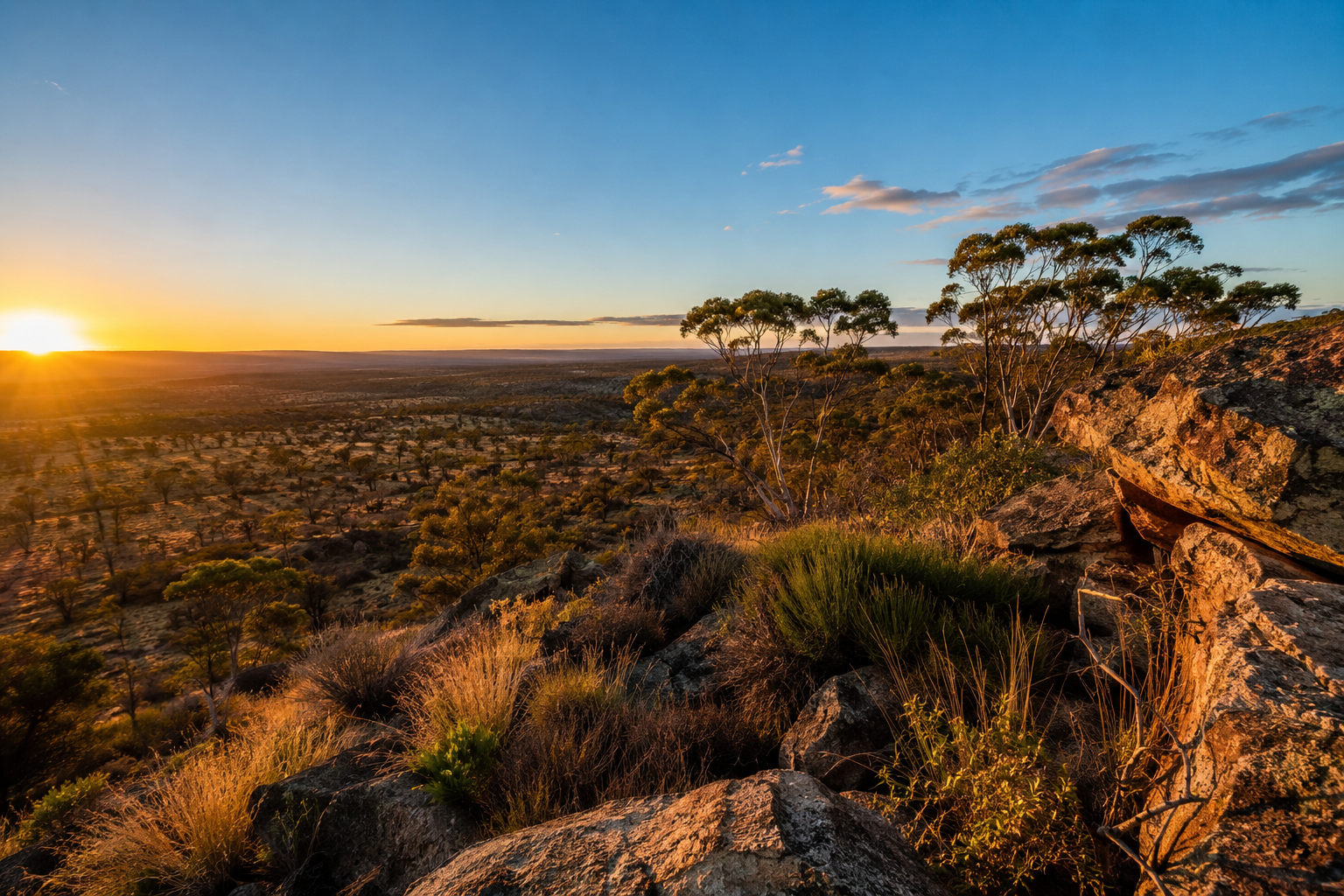
Australia’s landscapes are constantly changing. Seasonal conditions, rainfall, drought and natural wildlife movements all influence what we see on the ground. Unfortunately, these same conditions also create opportunities for invasive species to establish themselves and spread.
Whether you manage a pastoral lease, farming property, conservation reserve or public land, invasive species can have a significant impact on native ecosystems, agricultural productivity and infrastructure. The challenge is that the warning signs are often subtle and easy to overlook.
By the time feral goats are regularly crossing access tracks or feral pigs are damaging creek lines, the population has often been established for months sometimes years.
Routine property assessments and field intelligence allow land managers to identify these early warning signs, helping them make informed decisions before small problems become costly ones.
Here are five signs it may be time to assess your property.
1. You’re Seeing More Animal Tracks Than Before
One of the earliest indicators of increasing invasive species activity isn’t necessarily seeing the animals themselves—it’s noticing the evidence they leave behind.
Fresh tracks around dams, fence lines, creek crossings, vehicle tracks and soft sandy areas can reveal a surprising amount of information about what is moving through your property.
Tracks can help identify:
- Frequently used movement corridors
- Water access points
- Areas of concentrated activity
- Species present
- Direction of travel
Many invasive species are most active during the night or early morning, meaning landholders may rarely see them despite regular movement across the property.
A systematic field assessment records these observations using GPS, allowing activity hotspots to be mapped and monitored over time.
2. Native Vegetation Is Beginning to Change
Healthy vegetation tells an important story about the condition of a landscape.
If you begin noticing increased browsing, reduced regeneration or patches of bare ground, invasive herbivores may be placing pressure on the environment long before large numbers are observed.
Common warning signs include:
- Young shrubs failing to regenerate
- Damaged seedlings
- Heavy grazing pressure
- Soil disturbance
- Increasing erosion on slopes or drainage lines
Species such as feral goats and deer can significantly alter native vegetation communities by continually feeding on young growth, preventing natural regeneration and reducing habitat for native wildlife.
Monitoring these subtle changes provides valuable information about the health of the landscape and can help identify where management efforts should be focused.
3. Water Sources Are Showing Increased Activity
In many parts of Australia, water determines where wildlife—and invasive species—spend much of their time.
Farm dams, troughs, creeks and natural springs often become gathering points, particularly during warmer months or extended dry periods.
Signs of increased activity around water sources may include:
- Numerous animal tracks
- Fresh droppings
- Disturbed mud
- Damaged vegetation
- Worn access paths
These areas provide excellent opportunities to monitor wildlife movement and gain valuable insight into which species are using the property.
Regular inspections of water points often reveal changes that may otherwise go unnoticed elsewhere across large properties.
4. You’re Noticing Changes in Native Wildlife
Sometimes the most important indicator isn’t the invasive species themselves it’s the response of native wildlife.
Changes in wildlife behaviour or abundance can indicate increasing environmental pressure.
Examples may include:
- Reduced sightings of ground-nesting birds
- Declining native vegetation condition
- Increased predator activity
- Changes in kangaroo movement
- Reduced biodiversity within previously healthy habitat
Healthy ecosystems rely on balance. When invasive species begin competing for food, water and shelter, native species are often the first to show signs of stress.
Field assessments that record both invasive species activity and native wildlife observations provide a more complete picture of what’s occurring across the landscape.
5. You’re Seeing Invasive Animals More Frequently
Perhaps the clearest sign that a property assessment is warranted is simply seeing invasive animals more often.
Even occasional sightings should not be dismissed.
One feral goat may be part of a much larger mob.
One feral pig may indicate an established sounder moving through nearby creek systems.
A single fox may represent a breeding pair responsible for predation across a much larger area.
Visible animals often represent only a fraction of the total population.
Without understanding where animals are travelling, feeding and breeding, effective management becomes significantly more difficult.
Gathering accurate field intelligence allows land managers to move from reacting to individual sightings to understanding broader population trends.
Why Field Intelligence Matters
Managing invasive species begins with understanding what’s happening on the ground.
Rather than relying solely on occasional sightings, structured field assessments combine observations, GPS mapping, photographic evidence and environmental monitoring to build a clearer picture of how a property is changing over time.
This information can assist landholders, conservation organisations and government agencies in:
- Identifying invasive species activity
- Monitoring environmental change
- Prioritising management efforts
- Recording evidence for future comparison
- Supporting long-term land management decisions
Good decisions are built on reliable information, and reliable information starts with accurate field observations.
Looking Beyond Today
Every property tells a story.
Animal movement, vegetation condition, water sources and wildlife behaviour all provide valuable clues about the health of the landscape. Recognising these signs early allows land managers to respond proactively, reducing environmental impacts before they become more difficult and costly to manage.
At Outback Advocate, we believe effective land management starts with understanding the environment first. Through detailed field assessments, GPS-recorded observations and practical environmental reporting, we help clients build a clearer picture of what’s happening across their properties.
Whether you’re managing agricultural land, conservation reserves, government assets or large pastoral properties, investing in accurate field intelligence today can support better decisions for years to come.
If you’d like to learn more about our field assessment services or discuss how Outback Advocate can support your land management objectives, we’d be pleased to hear from you.
outbackadvocate.com
Leave a Reply